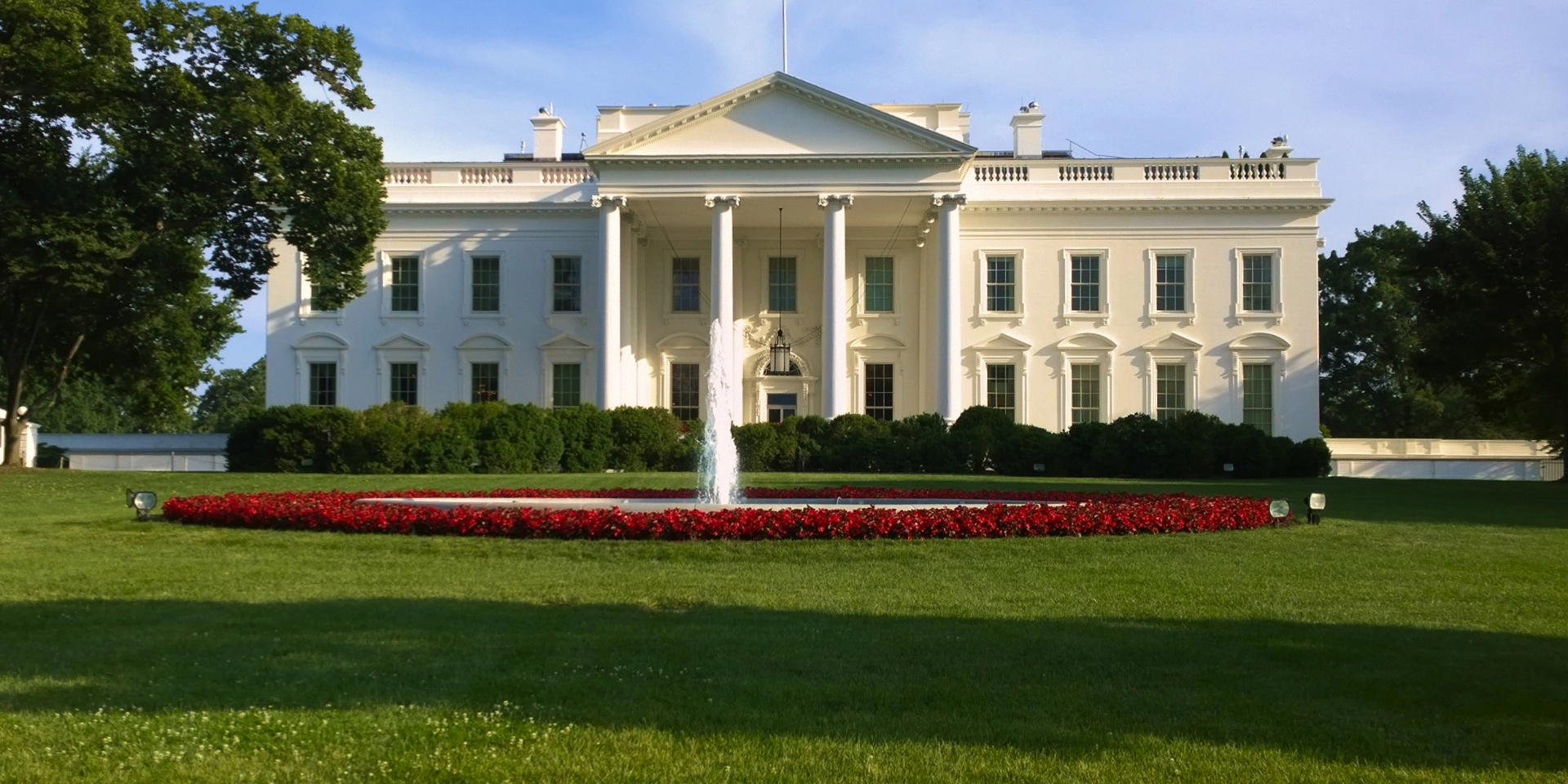
Imagine a government fund operating like a venture capital firm, injecting capital into outdated IT systems to propel them into the modern era. That's the Technology Modernization Fund (TMF)—a daring experiment I navigated for three years as a Program Management Specialist (GS-14, with an interim stint as GS-15 Executive Director) at the U.S. General Services Administration (GSA). From its $350 million inception to a $1 billion powerhouse, TMF was my proving ground—a masterclass in cutting through bureaucracy, evaluating tech proposals, and envisioning transformative value for citizens. Here's how it unfolded, from scrappy startup to high-stakes sprint, and the lessons I'd pass to its future stewards.
2020: Laying the Foundation Amid Chaos
I joined TMF in late 2019, just as it took shape under the Modernizing Government Technology (MGT) Act (Section 1076, Subtitle G of Public Law 115-91, signed December 12, 2017). Conceived by Representatives Will Hurd (R-TX), Gerry Connolly (D-VA), Robyn Kelly (D-IL), and Senator Mark Warner (D-VA), TMF aimed to break the mold of sluggish federal procurement. Traditional IT funding crawled through annual appropriations, leaving critical upgrades stranded. TMF's answer? A revolving fund with VC-like agility—seed investments now, repaid later—to accelerate modernization.
Starting with $350 million under GSA's umbrella and guided by the Office of Management and Budget (OMB), we reported to the TMF Board: a powerhouse of federal IT leaders including the Federal CIO (Chair), GSA CIO, and term members from DHS, IRS, VA, USDA, NGA, and CISA. In 2020, we managed 12 modest projects, each requiring a repayment plan—a tough sell to agency CIOs scraping budgets. Congress demanded transparency, which I delivered through a website I overhauled, while we coordinated Treasury fund transfers. Early challenges loomed: How do we identify high-impact projects? How do we scale benefits across agencies? Playbooks were embryonic, so we leaned on informal knowledge-sharing to keep moving.
My first priority was efficiency. The team, three of us total, was drowning in Excel sprawl. I spearheaded a shift to Smartsheets, implementing standardized templates, real-time dashboards, and automated cashflow tracking. Running biweekly sprints, we transformed a fledgling operation into a disciplined, project-driven engine. This wasn't just about organization—it was about proving TMF could operate with precision under pressure.
2021: A Billion-Dollar Pivot Amid Crisis
March 2021 brought seismic change. COVID-19 had already reshaped priorities the prior year, and during the presidential transition, I stepped into the interim Executive Director role. It was a crucible: supporting the TMF Board, refining workflows, and pitching bold investment strategies. Early in my tenure, I'd overhauled proposal templates, business cases, financial models, technical specs—to streamline evaluation amidst congressional oversight and a dozen active projects.
Then the American Rescue Plan Act of 2021 injected $1 billion into TMF, catapulting us from boutique fund to critical lifeline. The scale demanded ambition. Drawing on my private-sector experience, years earlier, I'd pitched Techstars-style accelerators—I proposed aligning TMF with the $100 billion federal IT budget cycle. A billion dollars is significant, but it's a fraction of that pie. I advocated for upstream integration with OMB's Resource Management Offices (RMOs) to target high-priority areas: High-Value Assets (HVAs), Zero Trust Architecture (ZTA) for cybersecurity, or citizen-facing services. The goal? Maximize impact, recycle funds via repayments, and establish a scalable legacy.
The $1 Billion Sprint: Hard-Won Insights
New leadership arrived in 2021, and alignment wasn't always seamless. Still, they tasked me with a colossal challenge: evaluate 120+ proposals competing for that $1 billion. I applied Technology Business Management (TBM) principles, assessing each through a rigorous lens—business value, technical feasibility, and financial return. I sought economies of scale, favoring shared services over isolated wins, though few submissions rose to that standard. The TMF Board's binary approval process relied on my team's recommendations, which I anchored in data-driven analysis and relentless prioritization.
Working alongside the TMF Board, monthly briefings on milestones, from AI pilots to cyber overhauls—sharpened my perspective. They balanced vision and pragmatism, but aligning diverse priorities was a delicate dance. A core realization emerged: TMF's product is funding, not technology. I emphasized this to colleagues, our role was to optimize capital deployment, not churn out grants or build systems. In government, ROI isn't profit; it's "return on benefits", uptime, cost efficiency, citizen trust, or breach prevention. OMB and GSA could have leveraged TMF to unify a federal tech stack, partnering with the U.S. Digital Service (USDS), but that vision faltered amid shifting priorities.
The repayment model proved a persistent thorn. Early flexibility devolved into ambiguity, and Congressman Connolly later challenged GSA's execution of the revolving fund concept. Without consistent repayments or new appropriations post-2021, TMF's $1 billion surge risked becoming a one-time boost rather than a sustainable engine.
Reflections and a Playbook for the Future
Three years at TMF revealed the messy brilliance of government IT modernization. We delivered tangible wins—VA digitization, OPM security enhancements—but systemic scale remained elusive. Supporting the Board refined my approach: value outweighs flash, and process outlasts chaos.
If I were advising TMF's next leaders, here's my expanded playbook:
- Hunt Upstream: Sync with the appropriations cycle. Partner with RMOs to target cohorts, cybersecurity, HVAs, citizen portals, maximizing each dollar's reach.
- Champion Shared Services: Move beyond one-offs. GSA's Office of Government-wide Policy and USDS should co-develop a reusable, interoperable stack, slashing costs and boosting cohesion.
- Clarify the Thesis: Define TMF's focus, ZTA adoption? Service modernization? Pick strategic winners and invest decisively.
- Steward Capital: Educate stakeholders, funding is a tool, not a handout. Link disbursements to measurable benefits, not just milestones.
- Standardize the Stack: CIOs guard their domains, but TMF could incentivize a federal tech baseline—starting with pilots, scaling with proof.
- Seed and Scale: Borrow from VC and programs like 10x funding, test small, learn fast, and amplify what works.
TMF's mission, to fast-track modernization, is sound, but it needs sharper execution. It's not just about fixing creaky systems; it's about reimagining how government wields technology. My time there taught me to think like a public-sector VC, bet boldly, iterate quickly, and prioritize citizens with every dollar spent.