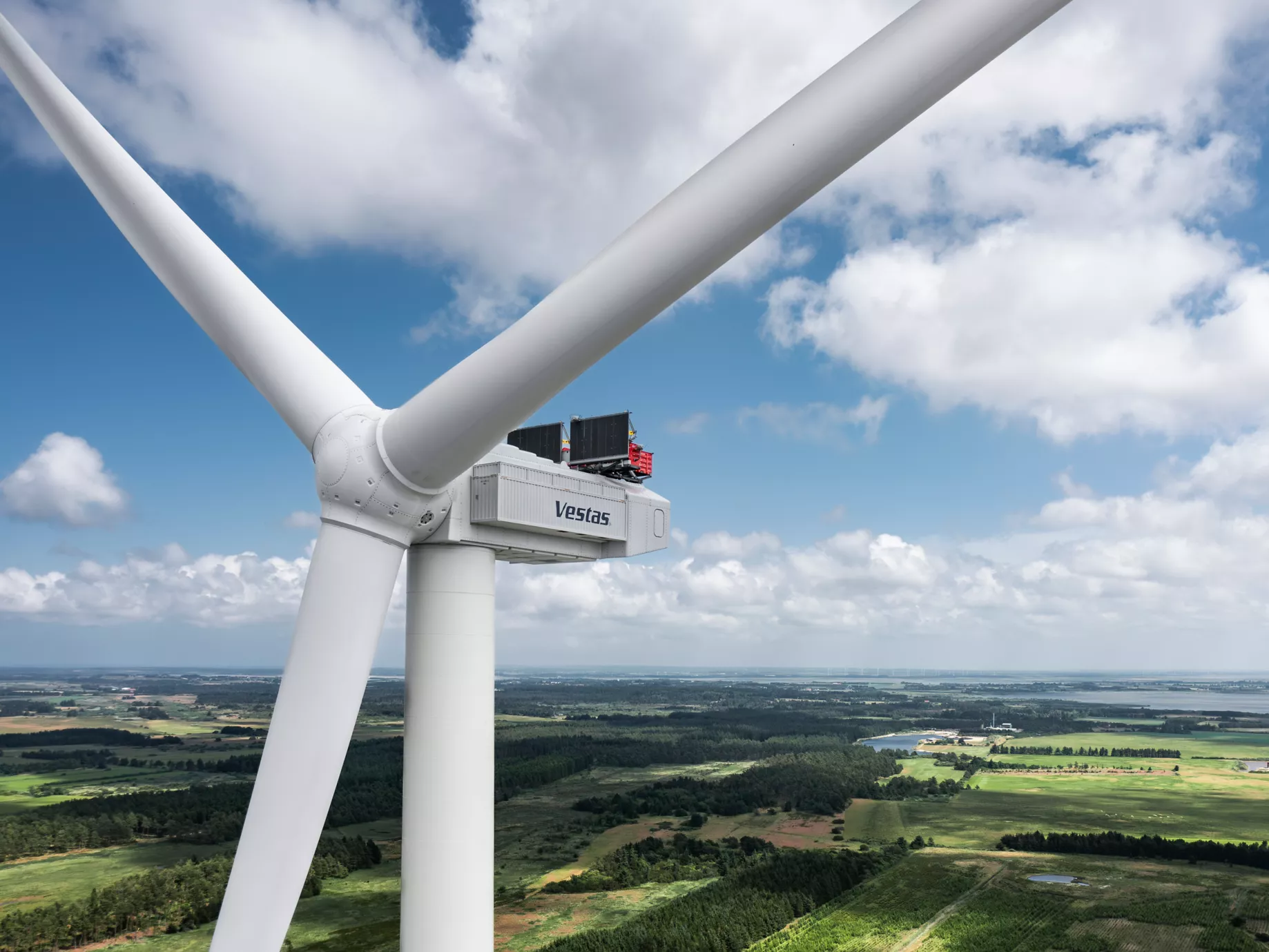
Picture this: You're in the renewable energy game, wind turbines spinning, solar panels gleaming. But behind the scenes, it's a chaotic mess. Processes are tangled like a bowl of spaghetti, data is scattered like confetti, and efficiency is, well, let's just say it's not winning any awards.
Now, I'm not an energy expert, but I know a thing or two about streamlining processes and optimizing performance. And that's where Transactional Process Improvement (TPI) and Lean Six Sigma come in. They're like a dynamic duo, ready to supercharge your renewable energy operations and make them hum like a Tesla on steroids.
TPI: Decluttering Your Business Processes (Marie Kondo Style)
TPI is all about taking a lean, mean approach to your business processes. It's like Marie Kondo-ing your operations, getting rid of anything that doesn't spark joy (or efficiency).
Think of those clunky, time-consuming tasks that make you want to tear your hair out. TPI helps you identify those bottlenecks, streamline the flow, and make sure every step adds value. It's like decluttering your digital workspace, but for your entire business.
Lean Six Sigma: Data-Driven Decisions (No More Guesswork)
Lean Six Sigma is the data-driven sidekick to TPI's decluttering spree. It's a structured approach to identifying and eliminating waste, reducing defects, and improving overall performance.
Think of it as your business process detective, using data to uncover hidden problems and opportunities for improvement. It's like having a magnifying glass and a scalpel for your operations, allowing you to pinpoint issues and surgically remove them.
My Vestas Wind Systems Saga
I've seen the magic of TPI and Lean Six Sigma firsthand. Back in my Vestas Wind Systems days, I was the tech lead for their SAP implementation. But I also wore another hat: Lean Six Sigma deployment manager. It was like being a conductor for an orchestra of process improvement, making sure everyone was playing in tune and hitting the right notes.
I was responsible for certifying users in Lean Six Sigma, leading Kaizen events (those rapid-fire improvement workshops), and generally spreading the gospel of operational excellence. It was a wild ride, but it taught me the power of combining these two methodologies.
Why Transactional Processes Matter (More Than You Think)
Now, you might be wondering, "Why focus on transactional processes? Aren't they just boring back-office stuff?" But here's the thing: transactional processes are the unsung heroes of any organization. They're the glue that holds everything together, and when they're not working smoothly, the whole system can grind to a halt.
Think of it like the circulatory system of your business. If the blood flow is sluggish, the whole body suffers. TPI helps you clear those arteries and get things moving again.
Kaizen Events: Improvement on Fast Forward
Kaizen events are a key part of the TPI toolkit. They're like those home makeover shows where they transform a drab living room into a stylish oasis in just a few days. But instead of furniture and paint, you're using process improvement techniques to revamp your operations.
These short, focused events bring together a cross-functional team to analyze a specific process, identify improvements, and implement changes quickly. It's like hitting the fast-forward button on improvement, getting tangible results in a short amount of time.
The Kaizen Team Charter: Your Roadmap to Success
Before you jump into a Kaizen event, you need a plan. That's where the Kaizen Team Charter comes in. It's like the blueprint for your improvement project, outlining the scope, objectives, timeline, and roles and responsibilities.
Think of it as your GPS for process improvement, guiding you towards your destination and making sure you don't get lost along the way.
Training Belt Structure: Building a Culture of Excellence
To really embed TPI and Lean Six Sigma into your organization, you need to build a culture of continuous improvement. That's where the training belt structure comes in. It's like a martial arts system for process improvement, with different levels of mastery to aspire to.
At Vestas, we had everything from White Belts (beginners) to Master Black Belts (the ninjas of process improvement). This allowed us to train employees at all levels and empower them to contribute to operational excellence.
The Lean/Six Sigma Toolbox: Gearing Up for Success
To effectively implement TPI and Lean Six Sigma, you need the right tools. At Vestas, we had a whole arsenal of them, including:
- 5S: A workplace organization method that's like cleaning your room, but for your entire factory.
- 5 Why Analysis: A root cause analysis tool that's like peeling back the layers of an onion to find the source of a problem.
- Brainstorming Tools: Techniques for generating ideas and solutions that are like a creativity power-up.
- Cause and Effect Matrix: A tool for identifying and prioritizing the causes of problems that's like a detective's evidence board.
- Fishbone Diagram: A visual tool for brainstorming potential causes of a problem that's like a mind map for troubleshooting.
- Flow Chart: A visual representation of a process that's like a roadmap for your operations.
- Project Charter: A document that outlines the scope, objectives, and stakeholders of a project that's like a project's birth certificate.
- RACI: A matrix that defines roles and responsibilities for tasks and decisions that's like a who's who of your project team.
- SMART: A goal-setting framework that ensures goals are Specific, Measurable, Achievable, Relevant, and Time-bound that's like a recipe for success.
- SWOT: A strategic planning tool that analyzes Strengths, Weaknesses, Opportunities, and Threats that's like a business health checkup.
These tools, along with others, helped us to effectively analyze processes, identify areas for improvement, and implement solutions that led to tangible results.
The Renewable Energy Connection: Powering Up Efficiency
Now, you might be wondering, "How does all this apply to the renewable energy sector?" Well, think about it. Renewable energy companies are constantly striving to improve efficiency, reduce costs, and optimize their operations. TPI and Lean Six Sigma provide a proven framework for achieving these goals.
Whether it's streamlining the manufacturing process for wind turbine blades, optimizing the installation of solar panels, or improving the maintenance of renewable energy systems, TPI and Lean Six Sigma can help companies achieve significant improvements.
For example, by applying TPI and Lean Six Sigma to the supply chain for wind turbine components, companies can reduce lead times, improve quality, and lower costs. This can lead to faster deployment of wind energy projects and increased overall efficiency.
The Bottom Line: A Winning Formula for Renewable Energy
TPI and Lean Six Sigma are a powerful combination for any organization looking to improve operational excellence. But they're especially well-suited for the renewable energy sector, where efficiency and cost reduction are critical for success.
By embracing these methodologies, renewable energy companies can:
- Streamline processes
- Reduce waste
- Improve quality
- Enhance customer satisfaction
- Boost overall performance
So, if you're ready to take your renewable energy operations to the next level, TPI and Lean Six Sigma are your dynamic duo.